
Understand Spirits, Understand Distillation
Spirits differ from fermented beverages, where yeast converts sugar into alcohol, by incorporating an additional distillation stage. Fundamentally, distillation leverages the difference in boiling points between ethanol and water to recover and concentrate alcoholic fractions and aromatic compounds from the fermented wash. This process significantly elevates alcoholic strength and yields concentrated, integrated flavour profiles. Whisky, Brandy, Vodka, Rum, Gin and Tequila each possess distinct characteristics, yet all fall under the category of distilled spirits.
Scottish Single Malt Whisky is produced primarily from malted barley, while Bourbon Whisky uses corn as its main raw material. The grains undergo mashing, fermentation and distillation before being transferred into oak casks for maturation. It is the oak cask and time that define whisky. Cask contact imparts notes of vanilla, honey, caramel and coconut; Sherry casks deliver raisin and nutty flavours, Bourbon casks bring creaminess and sweetness, and peat contributes smoky and maritime character. Slow gaseous exchange takes place through the cask wood. Approximately 2% of the spirit evaporates annually, known in Scotland as the Angel’s Share. During maturation, ethanol softens and aromas recombine into intricate layers, making it difficult to distinguish whether the flavour originates from the grain, the oak, or time itself.
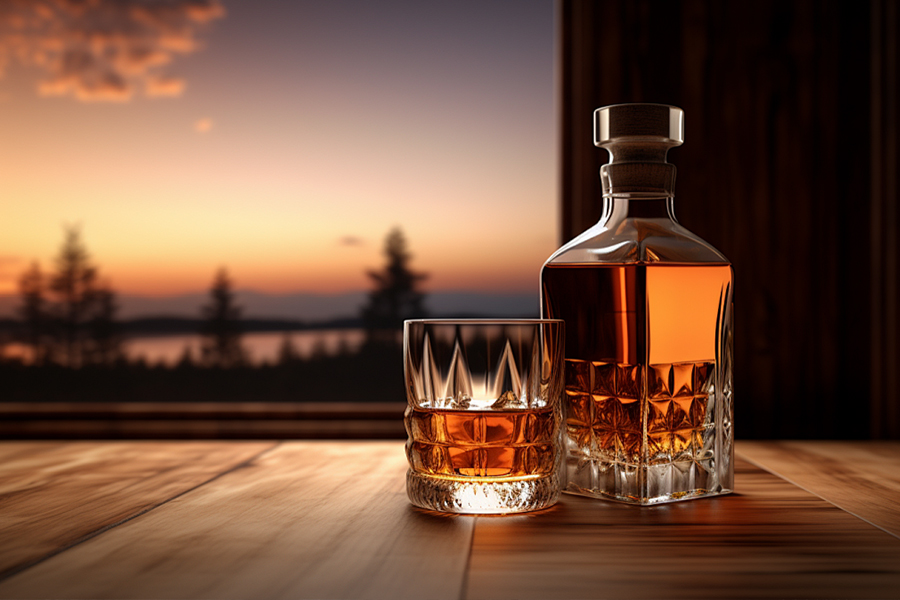
Brandy is fruit-based, with grapes as the most conventional raw material. Cognac is a subcategory of Brandy subject to strict appellation and production regulations in the Cognac region of France. All Cognac is Brandy, but not all Brandy qualifies as Cognac. Rooted in fruit expression, Brandy inherently carries floral, fresh fruit, raisin and dried apricot sweetness. Distillation and maturation round these aromas into a mellow, well-integrated bouquet.
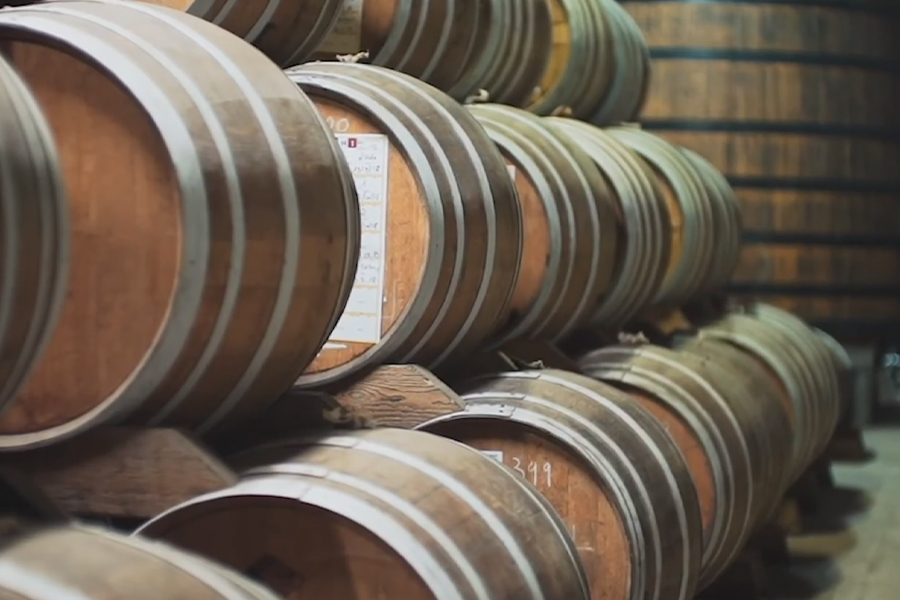
Vodka can be produced from grains or potatoes. Its core identity lies in neutrality and purity. Multiple distillation runs and filtration steps are adopted in vodka production to eliminate congeners and off-notes.
Gin is defined by juniper berry as the predominant botanical flavour, complemented by coriander seed, citrus peel, cardamom and other botanicals. It places less emphasis on long-term maturation and focuses on botanical formulation, making it a foundational base for cocktails such as Gin & Tonic and Martini.
Rum is made from sugarcane juice or molasses, typically exhibiting sweet, tropical fruit, caramel and roasted notes. Regional styling varies widely: white rum is widely used for cocktails like Mojito, whereas aged rum is suitable for neat consumption, similar to whisky.
Tequila is produced from Blue Agave. After roasting, fermentation and distillation, it presents vegetal, earthy, peppery, mineral and occasionally smoky nuances. The designation 100% Blue Agave confirms no supplementary sugars are added. Premium Añejo tequila is well suited for slow sipping.
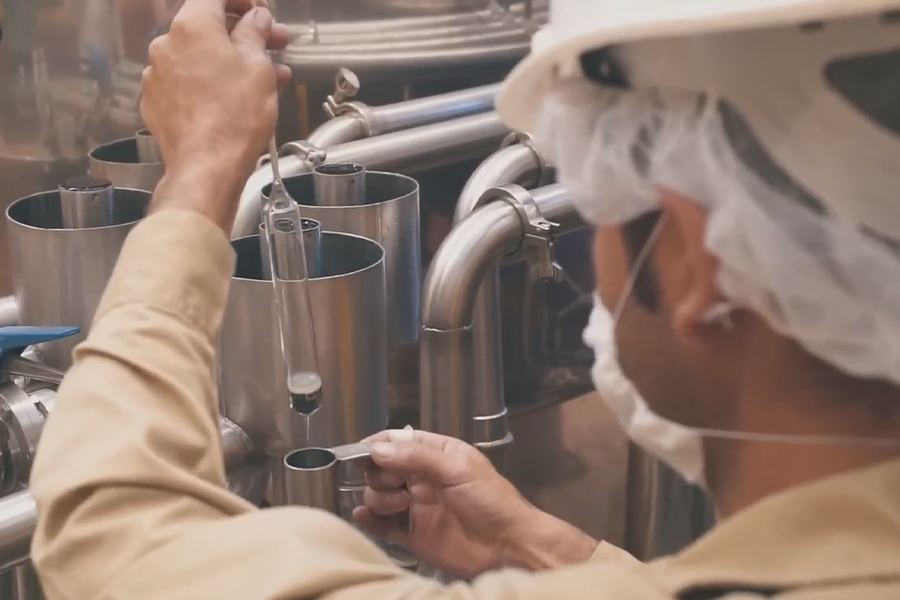
At this point, it becomes clear each spirit carries its own signature: whisky is defined by grain and oak cask maturation; brandy by fruit base and distillation; vodka by purity; gin by botanical aromatics…
Tiantai: Custom-engineered Equipment Built for Every Spirit Style
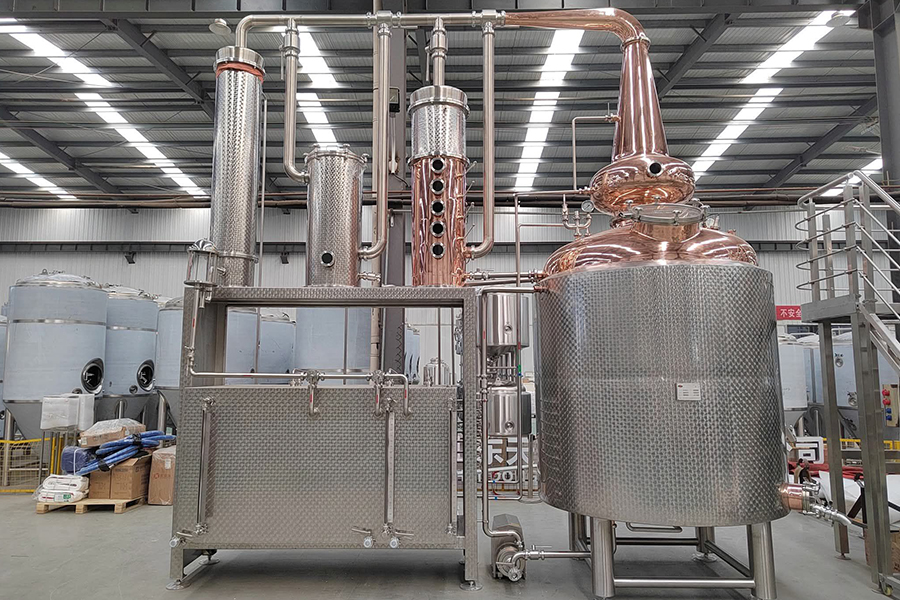
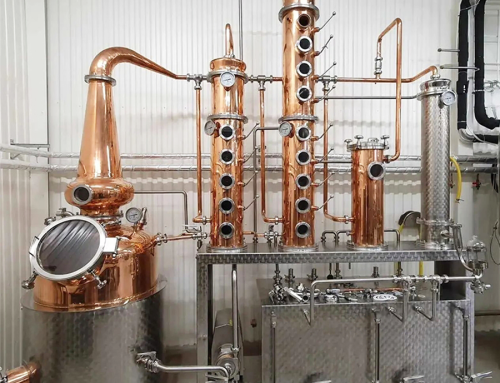
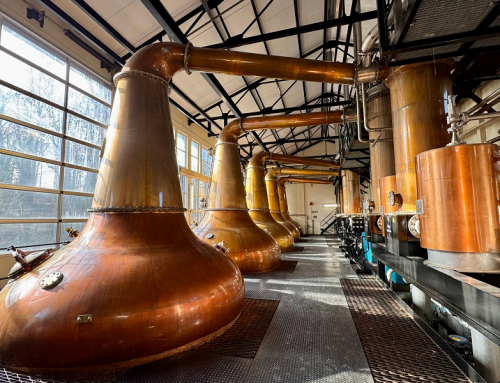
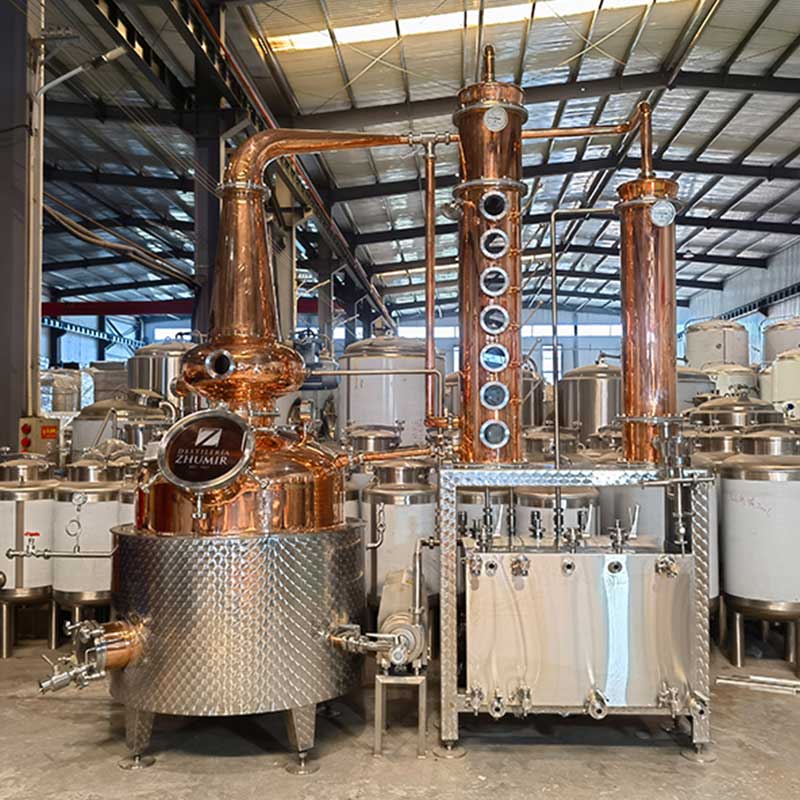
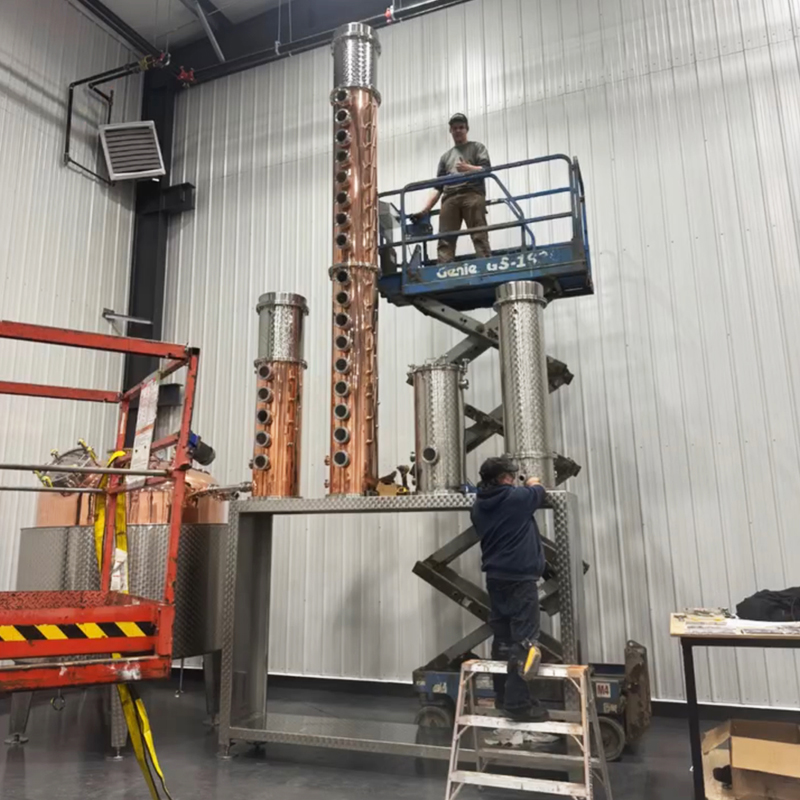
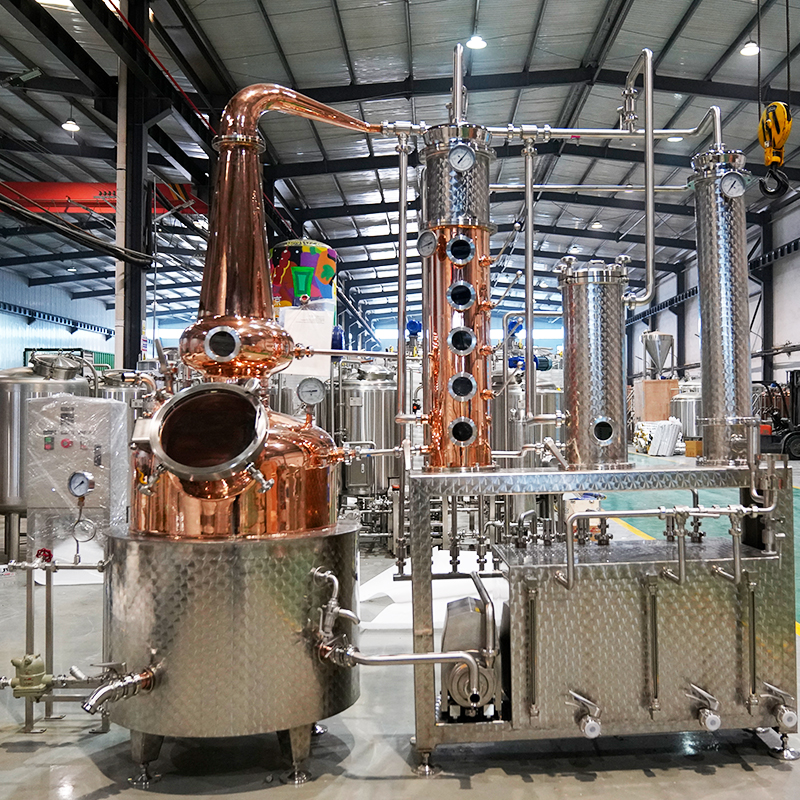
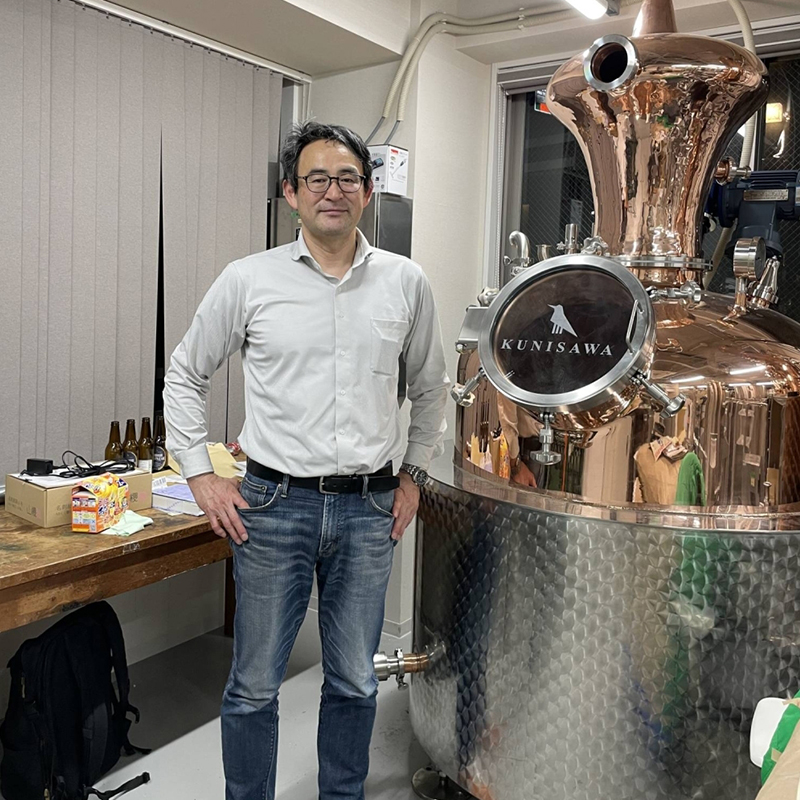
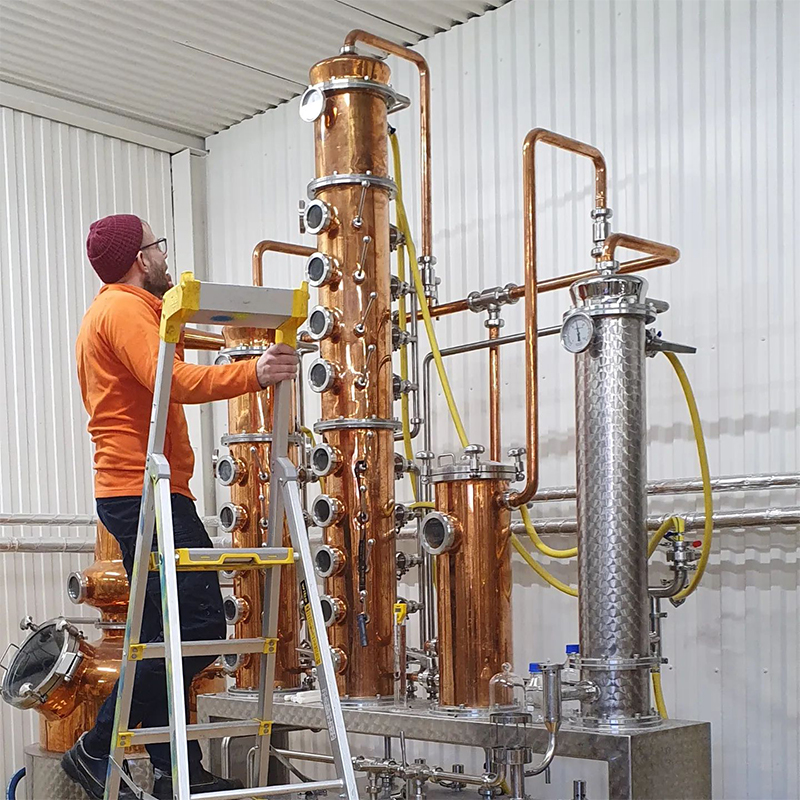
If you aim to craft your own spirit, the first step is not an oak cask — it is a distillation system engineered for authentic beverage production. Tiantai is a professional manufacturer and supplier of distillation equipment with deep expertise in brewing and distilling machinery. Different spirit styles demand tailored pot still geometry, heating configurations and distillation regimes to capture their intended character. Based on clients’ raw materials, production capacity targets and flavour specifications, Tiantai designs and fabricates high-performance custom distillation systems. We deliver full-lifecycle services including process design, fabrication, site installation & commissioning, technical training, maintenance and system retrofitting, ensuring stable, reliable and long-term operation of every production line.