How to Choose the Right Filtration System for Spirits Production
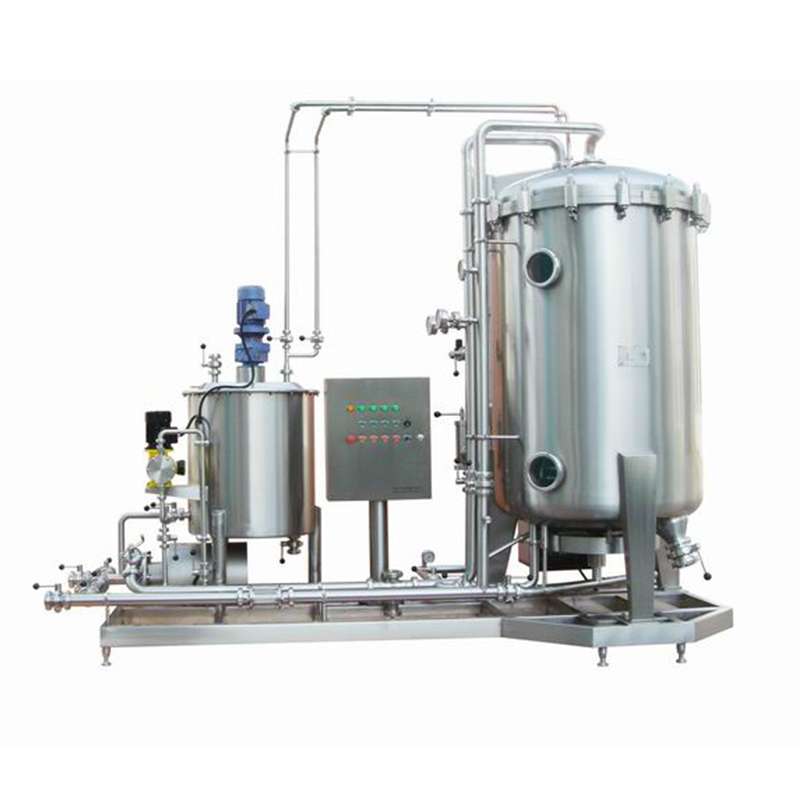
Filtration is not a single operation in spirits production.
Depending on the type of spirit, filtration may be required to remove solids before distillation, clarify the spirit after distillation, remove barrel char after maturation, eliminate activated carbon particles, control haze, or provide final particle filtration before bottling.
The appropriate filtration system therefore depends on what needs to be removed, when it needs to be removed, and how much of the spirit’s original character should be retained.
A whisky producer, for example, may need a specialized chill-filtration process after maturation, while a vodka producer may combine activated carbon treatment with fine particle filtration. An agave-spirit producer may require solid-liquid separation much earlier in the process.
This article explains how filtration requirements differ between the major categories of distilled spirits and how to select an appropriate filtration system for each application.
Filtration in Spirits Production: The Main Objectives
Before selecting a filter, it is useful to identify the actual filtration objective.
1. Removing coarse solids
Large particles can enter the process from raw materials, fermentation, botanical extraction, barrels, or other upstream operations.
Typical equipment includes:
- Coarse filters
- Bag filters
- Depth filters
- Centrifuges
The objective is primarily to protect downstream equipment and reduce the solids load reaching finer filters.
2. Clarifying the spirit
After distillation, maturation, blending, or proofing, a spirit may contain fine suspended particles or colloidal material.
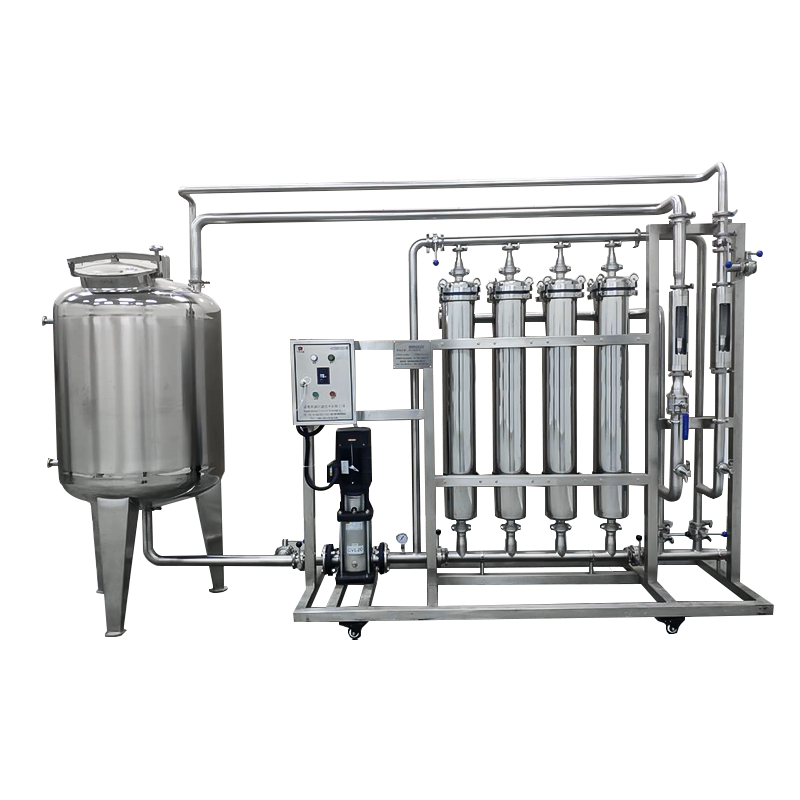
Depth filtration and cartridge filtration are commonly used for this purpose. Depth filtration is a method for removing suspended particulates and colloidal material from distilled spirits.
3. Removing barrel char
Barrel-aged spirits can contain particles originating from the inside surface of the cask.
Whisky is the most obvious example. Coarse filtration is normally used first to remove barrel char before subsequent fine filtration. Barrel-char removal is a distinct filtration stage in brown-spirit production.
4. Removing activated carbon
Activated carbon may be used after distillation to modify the color, aroma, taste, or other characteristics of certain neutral spirits.
Once carbon treatment is complete, loose carbon particles need to be removed before the spirit proceeds downstream. Trap or depth filtration is commonly used for this purpose.
5. Controlling haze
Some spirits can become cloudy after dilution, cooling, or storage.
This is particularly important for whisky and other barrel-aged spirits. Chill haze can be associated with fatty acids and their esters, as well as other compounds originating from raw materials and maturation. Lower temperature and lower proof can increase haze formation.
Whisky Filtration
Whisky probably has the most technically distinctive filtration requirements among major spirits.
The filtration strategy depends on whether the whisky is intended to be chill-filtered or non-chill-filtered, as well as its maturation conditions, alcohol strength, desired appearance, and target flavor profile.
Barrel Char Removal
After maturation, whisky may contain particles originating from the charred interior of the barrel.
These particles are relatively coarse compared with the compounds responsible for chill haze.
Therefore, barrel-char removal should not be confused with chill filtration.
A coarse filter or high dirt-holding depth filter can be used as the first filtration stage to remove larger particles and protect subsequent filtration equipment.
Chill Filtration
Chill filtration is designed to address a different problem.
Whisky contains various compounds derived from the raw materials, fermentation, distillation, and maturation process. Some fatty acids and their esters can become less soluble when the spirit is cooled or diluted, forming haze.
The traditional process therefore involves:
Cooling the whisky → Forming the haze → Filtering out the haze-forming material
Filter sheets and other depth-filtration technologies are particularly relevant because adsorption, rather than simple mechanical particle removal, plays an important role in chill-haze removal.
This is why whisky chill filtration should not simply be described as “fine filtration.”
The objective is selective removal of haze-forming compounds while minimizing unnecessary removal of desirable flavor and aroma compounds.
But some fatty-acid esters associated with haze also contribute positively to the sensory characteristics of spirits, making selective filtration important.
Non-Chill-Filtered Whisky
Not every whisky needs to be chill-filtered.
There is increasing industry interest in non-chill-filtered whisky, where the producer accepts a different balance between visual stability and retention of spirit character.
Modern depth-filtration systems can also be designed for non-chill filtration. In one documented whisky application, depth-filter modules were used at ambient temperature to reduce turbidity without the conventional chilling step.
Therefore, when designing a whisky filtration system, the first question should be: Is the target product chill-filtered or non-chill-filtered? The answer can significantly influence the filtration process and equipment configuration.
Vodka Filtration
Vodka generally places a strong emphasis on clarity, neutrality, and consistency.
Because vodka is often produced to a relatively neutral sensory profile, some producers use activated carbon treatment after distillation to reduce unwanted flavor, aroma, color, or other compounds.
In this case, filtration has two distinct functions:
Activated carbon treatment → Removal of unwanted compounds
and
Final particle filtration → Removal of carbon particles and other fine solids
Activated Carbon Filtration
Activated carbon works primarily through adsorption rather than simple particle retention.
Its high internal surface area allows it to interact with compounds responsible for unwanted characteristics in the spirit.
The degree of carbon treatment should be controlled carefully.
More aggressive treatment does not automatically mean better vodka. Excessive adsorption can alter the sensory profile of the spirit.
Carbon Particle Removal
After carbon treatment, the spirit may contain loose carbon particles.
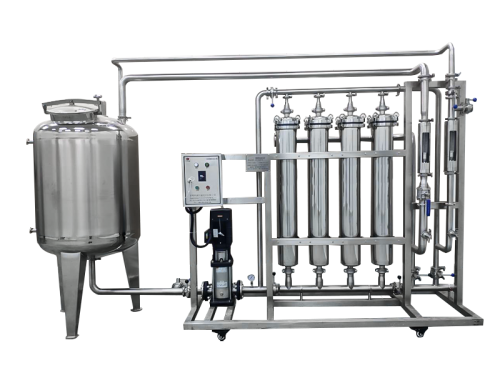
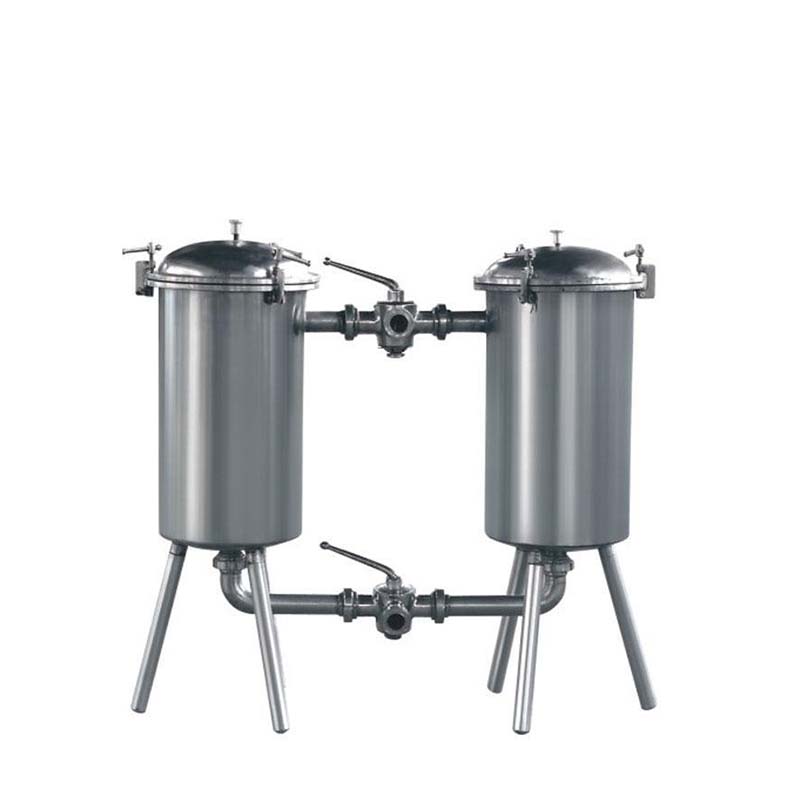
A downstream depth filter, bag filter, or cartridge filter can be used to capture these particles before the spirit enters the final filtration stage.
We specifically recommend trap filtration after activated carbon treatment to reduce particulate loading and protect downstream filtration equipment.
Final Filtration
A fine cartridge or depth filter can then be used to provide final particle removal before bottling.
For vodka, this final stage is particularly important because even a small amount of visible particulate material can compromise the appearance of an otherwise clear product.
Gin Filtration
Gin has a different filtration challenge because botanical materials are an important part of the production process. Fruit, herbs, spices, and other botanical ingredients can produce fine suspended particles.
Final Gin Filtration
A cartridge filter or fine depth filter can be used to remove smaller particles and produce the required visual clarity.
However, gin should not automatically be filtered as aggressively as possible.
Some botanical-derived compounds contribute to aroma, flavor, and mouthfeel. Excessive filtration may therefore work against the intended sensory profile.
For gin, the correct question is not:
How fine can we filter?
It is:
What particles need to be removed while retaining the desired botanical character?
Rum Filtration
Rum filtration varies significantly according to the intended product style.
Light rum, white rum, aged rum, and darker styles can have very different filtration objectives.
For a light rum, the producer may prioritize:
- Bright appearance
- Removal of suspended particles
- Consistent clarity
- Fine final filtration
For an aged or heavier rum, filtration should be more carefully controlled.
Maturation contributes significantly to the character of the final spirit. Excessive filtration can potentially remove compounds that contribute to its desired sensory profile.
Therefore, rum filtration is primarily a question of controlled clarification, rather than maximum purification.
Potential equipment includes:
- Plate & frame filters
- Depth filter sheets
- Cartridge filters
- Bag filters for pre-filtration
Brandy Filtration
Brandy presents a different challenge because the spirit originates from fruit-based raw materials.
Depending on the production process, solid-liquid separation may be required before distillation, whereas downstream filtration primarily concerns clarification and final polishing.
Upstream Solid Separation
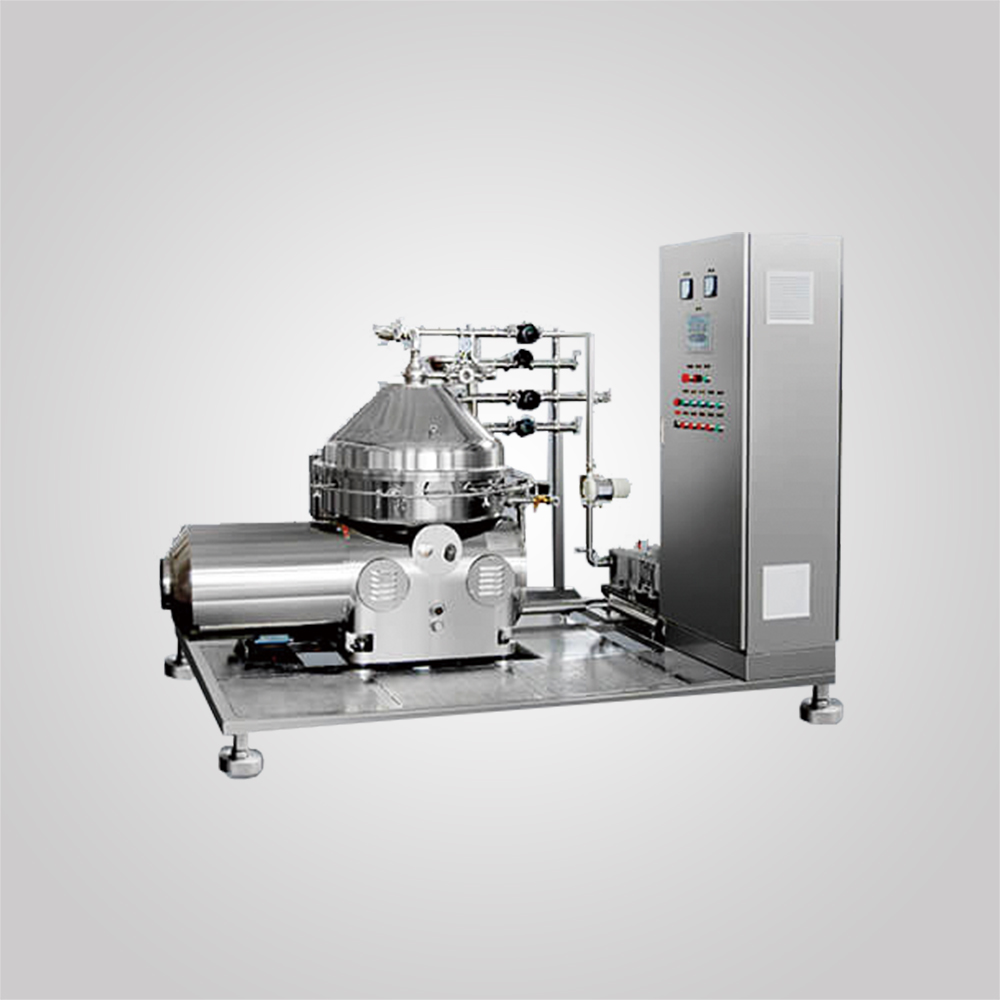
Depending on the fruit and fermentation process, centrifugation or other solid-liquid separation methods can be used to reduce the solids load before distillation.
This is a different application from final spirit filtration.
Post-Maturation Filtration
After maturation and blending, depth filtration or cartridge filtration can be used to remove suspended particles and improve visual clarity.
Brandy can also be sensitive to the composition of filter media.
Certain dissolved minerals introduced from filtration materials can contribute to precipitation or haze in spirits. Tiantai has developed ion-reduced filter media specifically for distilled spirits, including tannin-containing products.
Tequila and Agave Spirits Filtration
Tequila and other agave spirits can require separation at an earlier stage than many grain-based spirits.
Depending on the production method, the fermented agave liquid may contain significant quantities of plant solids.
Separation Before Distillation
If the fermented material contains a high solids load, centrifugal separation can reduce the amount of solids entering the still.
This is where a decanter or disc stack centrifuge may be considered, depending on the solids concentration and process requirements.
The purpose is not to produce the final clarity of the bottled spirit.
It is to improve the feed entering the downstream distillation process.
Filtration After Distillation
After distillation, the filtration requirement depends on the final product.
Aged tequila may require particle removal after barrel maturation, while a clear tequila may require fine polishing before bottling.
Tiantai’s spirits particle-removal guidance identifies tequila alongside whisky, vodka, rum, gin, and brandy as products where filtration may be used to ensure a clear finished product.
A Practical Filtration Strategy: Coarse to Fine
One of the most common mistakes in filtration-system design is expecting a single fine filter to perform every separation task.
A better approach is usually to divide filtration into stages.
For example:
Coarse Particle Removal → Depth Filtration → Fine / Final Filtration
Each stage has a specific function.
The coarse filter removes larger particles and protects downstream equipment.
The depth filter handles finer suspended material and can provide clarification or haze reduction.
The final cartridge or guard filter removes remaining fine particles before bottling.
This staged approach can extend filter life and reduce the solids load on the most expensive filtration stage.
For activated-carbon-treated vodka, for example:
Activated Carbon Treatment → Carbon Trap Filter → Fine Particle Filter → Bottling
Filtration Does Not Always Mean “Finer Is Better”
For spirits, this principle is particularly important.
A spirit is not simply a water-alcohol solution that needs to be purified as much as possible.
Its flavor and aroma depend on compounds derived from:
- Raw materials
- Fermentation
- Distillation
- Botanical extraction
- Barrel maturation
- Blending
Some compounds that can contribute to haze may also contribute to desirable sensory characteristics.
This is particularly evident in whisky. Some fatty-acid esters associated with chill haze can also contribute positively to aroma and sensory characteristics.
Therefore, the filtration target should be:
Controlled separation, not maximum separation.
The best filtration system is the one that achieves the required clarity and stability while retaining the desired character of the spirit.
How Tiantai Integrates Filtration into Distillery Design
Filtration should be considered as part of the complete distillery process rather than selected as an isolated piece of equipment.
The required system can change significantly depending on:
- Spirit type
- Raw material
- Fermentation method
- Distillation system
- Maturation method
- Production capacity
- Target alcohol strength
- Blending and proofing process
- Required final clarity
- Chill-filtration strategy
- Bottling requirements
For example, a whisky distillery may require a dedicated post-maturation filtration system, while a vodka plant may need activated carbon treatment and fine particle filtration. A gin distillery may need botanical pre-filtration, while an agave-spirit plant may benefit from centrifugal solid-liquid separation before distillation.
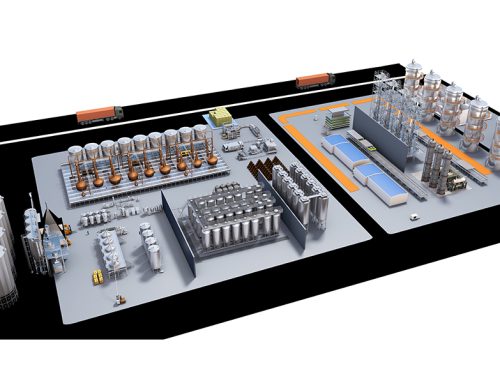
Tiantai designs complete distillery systems according to the characteristics of the spirit being produced, from raw-material handling and fermentation through distillation, maturation, blending, filtration, and bottling.
The filtration system is therefore selected as part of the overall process design rather than simply added as the final machine in the production line. The correct filtration solution depends on the separation objective, process stage, spirit characteristics, and desired final product.
For a new or expanding distillery, filtration should therefore be engineered together with the fermentation, distillation, maturation, blending, proofing, and bottling systems.
That approach allows the filtration process to achieve the required clarity and stability without unnecessarily compromising the character, yield, or efficiency of the finished spirit.